
Hay Fever Headaches and Facial Pressure – How HACHIGA Method Seitai May Help
As spring arrives in the UK, many people begin experiencing the familiar symptoms of hay fever. According to the NHS, hay fever can cause sneezing, itchy eyes, a blocked nose, headaches, and fatigue.
However, the discomfort of hay fever often goes beyond the nose and eyes.
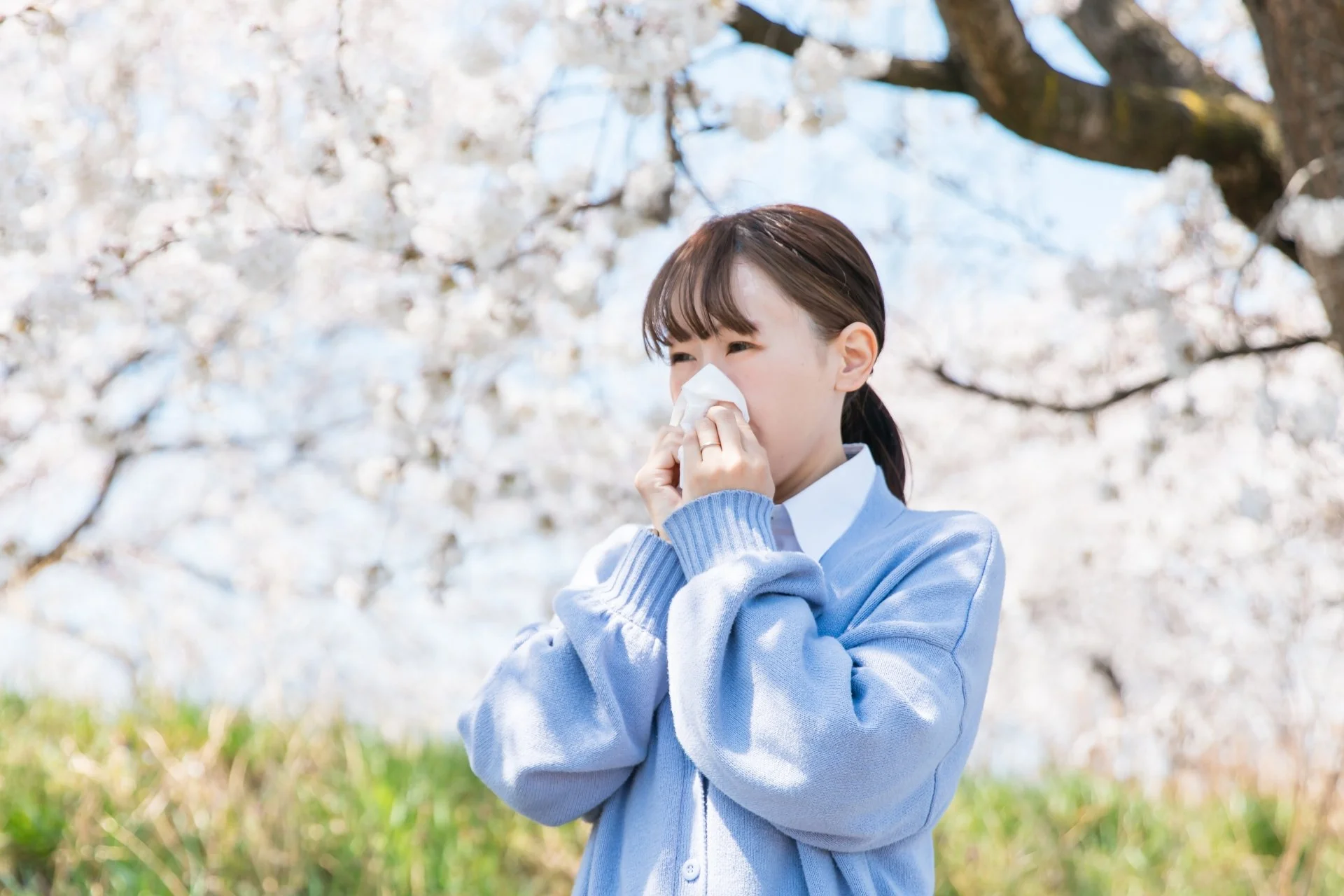
During allergy season, many people also notice symptoms such as:
heaviness in the head
facial tightness
neck and shoulder discomfort
a feeling of shallow breathing
◼️ Why Hay Fever Can Affect the Whole Body
When nasal congestion continues, many people unconsciously begin changing the way they breathe.
This may lead to:
increased mouth breathing
tension building in the neck and shoulders
tightness around the jaw
stiffness through the chest and ribcage
excess tension around the face and head
As this tension builds, it can contribute to feelings of heaviness, pressure, and fatigue throughout the body.
◼️ How HACHIGA Method Seitai Can Support You
At HACHIGA Method Seitai, the focus is not simply on loosening tight muscles, but on understanding the body as a connected whole and restoring balance where strain has developed.
During hay fever season, treatment may help support the body by:
releasing tension in the neck and shoulders
improving movement through the ribcage and chest
encouraging easier breathing patterns
reducing tightness around the jaw and face
The aim is to help the body better adapt to the physical stress that seasonal discomfort can place on it.

◼️ Supporting Your Body Through Spring
While hay fever itself cannot be eliminated through bodywork, reducing the physical tension and strain associated with it may help you feel more comfortable during allergy season.
If spring often leaves you feeling heavy, tense, or uncomfortable throughout the head, neck, and shoulders, HACHIGA Method Seitai may offer supportive care for your body during this time.
